Imagine applying for an apartment, a car loan, or a credit card and being asked about your credit history. If you are new to personal finance in the United States, that question can feel confusing.
You may have heard that a good credit score is important, but what does that score actually measure? And how can you build credit without making expensive mistakes?
A credit score is one tool lenders may use when deciding whether to offer you credit and on what terms. It is connected to your credit report, but the two are not the same thing.
In this guide, we’ll explain how U.S. credit scores work, what can affect them, and how to check your credit information safely.
What Is a Credit Score?
A credit score is a number that helps lenders estimate how likely you are to repay borrowed money. It is generally calculated using information from your credit reports.
Lenders may consider a credit score when reviewing applications for credit cards, loans, or mortgages. A higher score may make it easier to qualify or receive more favorable terms, but a score alone does not guarantee approval.
Many credit scores range from 300 to 850, although different scoring models can use different ranges. There is also no single score that every lender uses.
According to the Consumer Financial Protection Bureau’s credit score guide, people can have different scores because lenders use different scoring models and information sources.
What Is the Difference Between a Credit Score and a Credit Report?
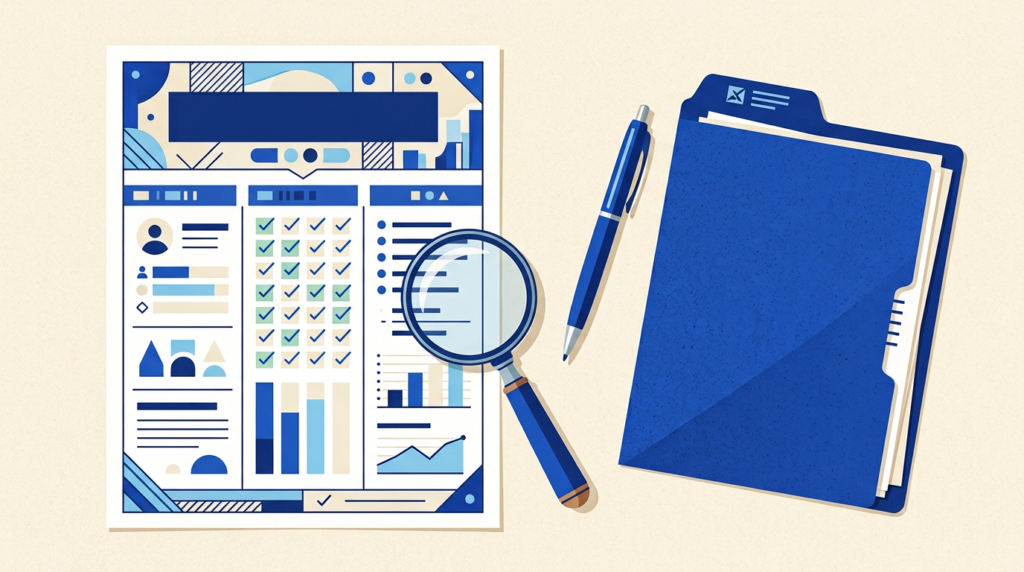
A credit report is a record of information about your credit history. A credit score is a number calculated using information from a credit report.
Think of it this way: the report contains the information, while the score is one way a scoring model summarizes some of that information.
A credit report may include:
- Credit accounts and their balances
- Payment history reported by lenders
- Certain public records, such as bankruptcies
- Inquiries related to credit checks
- Personal information used to identify you
The three major nationwide credit reporting companies are Equifax, Experian, and TransUnion. Their reports may not contain exactly the same information, so it is worth checking each one.
Why Does Your Credit Score Matter?
Your credit information may affect more than a credit card application. Depending on the situation and applicable rules, a lender or another business may review credit-related information when you apply for:
- A credit card
- A car loan
- A mortgage
- An apartment
- Certain other financial products or services
For example, a lender might offer a lower interest rate to an applicant it considers less risky. Over time, a lower interest rate can make borrowing less expensive.
However, credit decisions usually involve more than a score. A lender may also consider income, existing debt, the type of product, and its own approval criteria.
What Factors Affect Your Credit Score?

Different scoring models weigh information differently, but several common factors can affect your credit scores.
Payment History
Payment history reflects whether payments on credit accounts have been made on time. Late or missed payments can hurt your credit scores.
A practical first step is to know your due dates. If appropriate for your situation, reminders or automatic payments can help you avoid accidentally missing one.
Credit Utilization
Credit utilization describes how much of your available revolving credit you are using. It is often discussed in relation to credit cards.
For a simple example, if a card has a $1,000 limit and a $200 balance, the balance is 20% of that card’s limit.
Keeping balances low relative to your limits can help. Some experts suggest using no more than 30% of available credit, while others recommend less. There is no magic percentage that guarantees a particular score.
Length of Credit History
Credit scoring models may consider how long your accounts have existed. A longer history can provide more information about how you manage credit over time.
That does not mean someone new to credit cannot build a good record. It simply takes time to establish a history.
New Credit Applications
Applying for several credit accounts in a short period can affect your scores. When you apply, a lender may make a hard inquiry, which can have an impact.
Apply for credit because you need it and understand the terms—not simply because an offer is available.
Types of Credit
Some scoring models consider the types of credit accounts in your history. However, that does not mean you should borrow money or open accounts you do not need just to change your credit mix.
Why Do You Have More Than One Credit Score?
It can be surprising to see different scores in different apps or from different lenders. This does not necessarily mean one of them is wrong.
Scores can differ because:
- Different scoring models use different formulas.
- Credit reporting companies may have different information.
- Lenders may use scores designed for different products.
- Information can change over time.
For example, the score you see through a credit card app may not be the same score a mortgage lender uses. The CFPB explains why consumers have multiple credit scores.
How to Check Your Credit Reports for Free

You can request free credit reports from the three major nationwide credit reporting companies through AnnualCreditReport.com.
The Federal Trade Commission says consumers can currently access free reports online every week from the three nationwide credit bureaus through this site. See the FTC’s guidance on checking credit reports.
When reviewing your reports, look for:
- Accounts you do not recognize
- Incorrect personal information
- Payments marked late that you believe were paid on time
- Balances or account statuses that appear incorrect
- Other information that looks unfamiliar
A free credit report does not necessarily include a free credit score. Some banks and credit card companies offer customers access to a score separately.
Checking your own credit report does not hurt your credit score. The CFPB addresses this common myth.
What Should You Do If You Find an Error?
Credit report errors can affect your financial life, so it is worth reviewing unfamiliar information carefully.
If you believe information is incorrect:
- Note which credit report contains the error.
- Gather any documents that support your position.
- File a dispute with the credit reporting company.
- Also consider disputing the information with the company that supplied it.
- Keep copies of your correspondence and check the result.
You do not need to pay a company just to dispute an error. The CFPB’s credit rebuilding guide explains why checking reports and disputing errors matters.
If you see an account you did not open, it could be a sign of identity theft. Visit IdentityTheft.gov for official recovery guidance.
How Can You Build Credit Responsibly?
Building credit is usually a gradual process. There is no guaranteed shortcut, but a few habits can help you establish a stronger history over time.
Pay on Time
Consistent, on-time payments are an important habit. If you are having trouble paying, contact the lender or service provider rather than ignoring the bill.
Keep Credit Card Balances Manageable
Try not to use too much of your available credit. A lower balance relative to your limit can be better for your credit profile.
Whenever possible, paying your statement balance in full can also help you avoid interest on purchases, subject to your card’s terms and grace-period rules.
Apply Only for Credit You Need
Opening several accounts quickly can create financial pressure and may affect your scores. Read the fees, interest rates, and terms before applying.
Review Your Reports Regularly
Checking your reports can help you spot errors or unfamiliar activity early. You can review your own reports without harming your scores.
Be Patient
A healthy credit history is built over time. Be skeptical of anyone promising an exact score increase or instant results.
Do You Need to Carry a Credit Card Balance to Build Credit?
No. Carrying a balance and paying interest is not required to build credit.
A common myth is that you need to leave a balance unpaid each month to improve your score. In reality, carrying a balance can cost you money in interest, and it is not a guaranteed way to improve credit.
The CFPB discusses this misconception in its credit score myths guide.
What If You Are New to Credit?
If you have little or no U.S. credit history, you may not yet have enough information for some scoring models to calculate a score. That is different from having a poor score.
Depending on your circumstances, you could research options such as a secured credit card or a credit-builder product. Before opening anything, compare fees, terms, and whether account activity is reported to credit bureaus.
Never take on debt solely because someone promises it will produce a specific score. Choose an option that fits your budget and financial goals.
Common Credit Score Mistakes to Avoid
Missing Payments
A missed payment can have consequences for both your finances and credit history. Set reminders and contact your lender if you expect trouble paying.
Using Too Much of Your Available Credit
A high balance compared with your credit limit can affect your scores. Keep an eye on both your spending and your available limit.
Applying for Too Many Accounts
Multiple applications in a short period may affect your credit. Consider whether you need a new account before applying.
Ignoring Credit Report Errors
An unfamiliar account or incorrect late payment deserves attention. Review your reports and dispute information you believe is wrong.
Paying for “Guaranteed” Credit Repair
Be cautious of companies that promise to remove accurate negative information or guarantee a particular score increase. You can check your reports and dispute errors yourself.
Frequently Asked Questions
What is a good credit score in the U.S.?
There is no single definition used by every lender. Many scoring models use a 300–850 range, but lenders can have different standards depending on the product and other information.
Does checking my credit report lower my score?
No. Checking your own credit report does not hurt your credit score.
Are a credit report and a credit score the same thing?
No. A credit report contains information about your credit history. A credit score is a number calculated using information from a report.
Do I need to pay interest to build credit?
No. Carrying a balance and paying interest is not required to build credit.
How quickly can I improve my credit score?
There is no guaranteed timeline. Changes depend on your credit history, the information being updated, and the scoring model. Correcting errors and developing consistent payment habits are useful places to start.
New to U.S. personal finance? Read our guide to how U.S. federal income tax works.
Final Thoughts
Your credit score is not a complete picture of your financial life, but it can influence important borrowing decisions. Understanding what goes into it can help you make more informed choices.
Start with the basics: check your reports, correct errors, pay on time, and avoid borrowing more than you can comfortably manage. Building a healthy credit history is generally a long-term process—not a quick trick.
This article is for general educational purposes and is not financial, legal, or credit advice. Credit products and individual circumstances vary. Consult a qualified professional if you need advice about your situation.