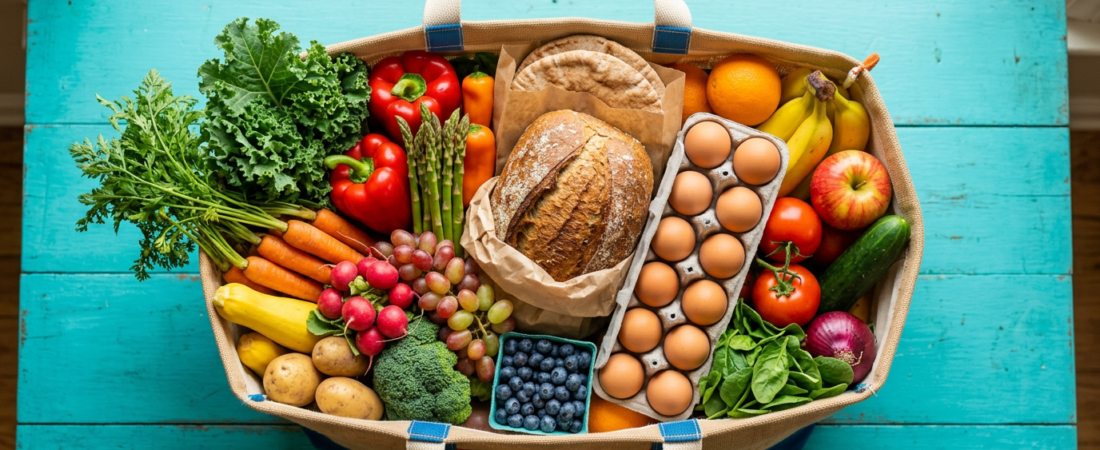
Groceries are a regular expense for every household, but paying for enough food can become difficult when income changes or other bills increase.
In the United States, the Supplemental Nutrition Assistance Program—usually called SNAP—may help eligible households pay for food. You may also hear people refer to it by its older name, “food stamps.”
If you have never applied before, you might wonder who qualifies, where to apply, and how the benefits are used. The process can vary by state, but understanding the basics is a good first step.
This guide explains how SNAP works and links to official resources where you can check the rules for your situation.
What Are SNAP Benefits?
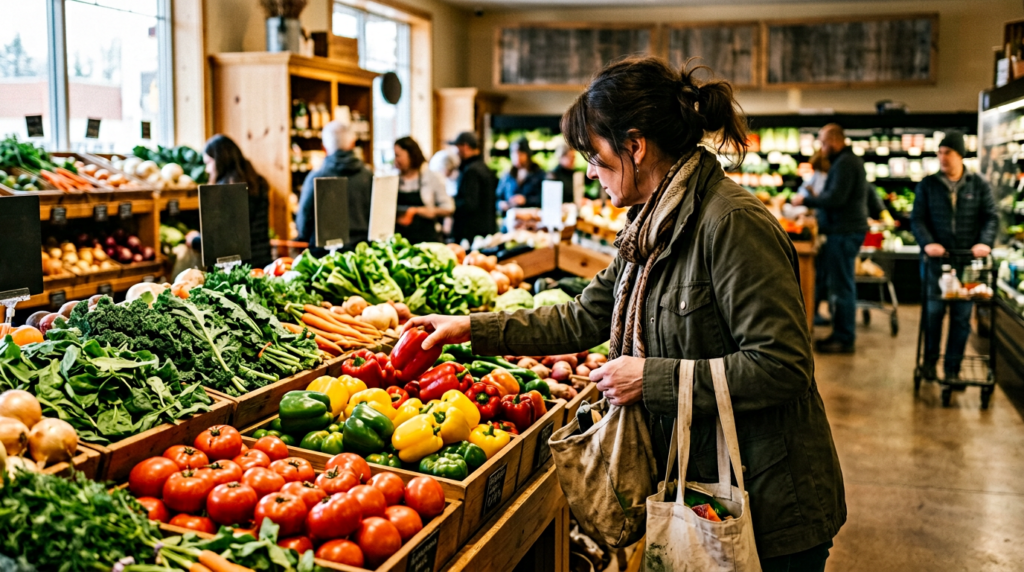
SNAP is a food assistance program that helps eligible people and households with limited resources buy food.
The program is administered through state agencies under federal rules. If you are approved, your benefits are generally added each month to an Electronic Benefits Transfer, or EBT, card.
You can use SNAP benefits to purchase eligible food at authorized retailers. The amount a household receives depends on its circumstances and the rules that apply.
For an official overview, visit USA.gov’s SNAP guide.
Who May Qualify for SNAP?

SNAP eligibility depends on several factors. Your state agency reviews your application and decides whether your household qualifies.
Depending on your circumstances, the agency may consider:
- Household income
- Household size and composition
- Certain expenses
- Countable resources
- State residence
- Citizenship or eligible immigration status
- Applicable work requirements or exceptions
The rules can be detailed, and some provisions vary by state or household. Having a job, receiving another benefit, or living with family does not by itself give you a complete answer about eligibility.
Rather than assuming you do or do not qualify, check the current information from your state SNAP office.
What Does “Household” Mean for SNAP?
For SNAP, a household generally includes people who live together and purchase and prepare food together. Some people who live together must be included in the same SNAP household under specific rules.
Because household rules can affect the application, explain your living and food arrangements accurately. Your state agency can help determine who should be included.
Are There Work Requirements?
Some SNAP participants may need to meet work-related requirements, but the rules have exceptions and depend on individual circumstances.
Do not rely on a general social media post to decide whether a requirement applies to you. Ask your state SNAP agency for current guidance.
How Much Can You Receive From SNAP?
There is no single payment amount for every household. The benefit amount depends on factors such as household size, income, allowable deductions, and the rules in effect for the benefit period.
Maximum amounts and other program figures can change. Rather than relying on an old chart or a number shared by someone else, check with your state agency.
It is also important to remember that submitting an application does not guarantee approval or a particular benefit amount.
How to Apply for SNAP Benefits
The application process varies by state, but these steps can help you get started.
Step 1: Find Your State SNAP Office
Begin with USA.gov’s food stamps and SNAP page. It provides a way to find the state or local office responsible for your application.
Step 2: Review the Application Options
Depending on your state, you may be able to apply online, in person, by mail, or by fax. Check the official instructions for your location.
Step 3: Provide Your Household Information
You may be asked about the people in your household, income, expenses, and other information relevant to eligibility.
Provide accurate answers and ask the agency if you are unsure how a question applies to you.
Step 4: Submit Required Documents
The agency may request documents to verify your information. These can include proof of identity, income, residence, or certain expenses, depending on your case.
Do not assume every applicant needs exactly the same documents. Follow your agency’s instructions.
Step 5: Complete an Interview if Required
You may need to take part in an interview before a decision is made. The agency can explain how and when the interview will happen.
Step 6: Watch for the Decision
Keep any application confirmation and respond to requests for additional information. Your state agency will notify you about its decision and explain the next steps.
What If You Need Food Immediately?
If you need food urgently, you do not have to wait until you understand every SNAP rule before looking for other help.
USA.gov’s emergency food assistance page lists options such as food pantries, community organizations, and the National Hunger Hotline.
You can also ask your state SNAP office whether expedited processing is available for your circumstances. Eligibility and required information must still be reviewed.
What Is an EBT Card?
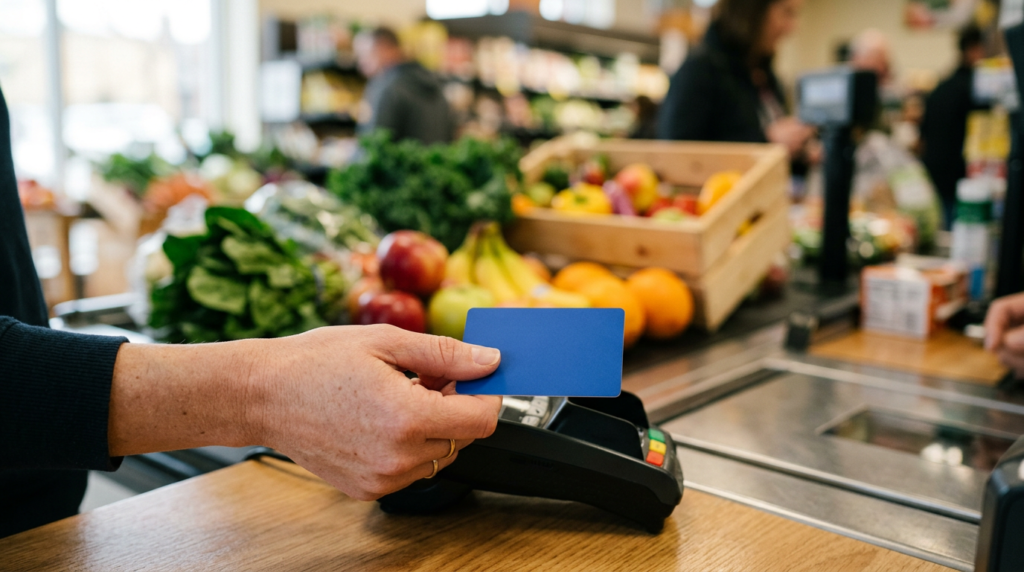
An EBT card is the card used to access SNAP benefits electronically. If your household is approved, your state provides instructions for receiving and using the card.
At an authorized store, you generally use the card and a personal identification number, or PIN, to pay for eligible food. Your state also provides ways to check your balance.
Keep your card and PIN secure. If the card is lost, stolen, or you notice unfamiliar transactions, contact your state’s EBT customer service using the official number provided by the agency.
What Can You Buy With SNAP?
SNAP benefits generally cover eligible food for the household. Examples can include:
- Fruits and vegetables
- Meat, poultry, and fish
- Dairy products
- Bread and cereal
- Seeds and plants that produce food for the household
SNAP benefits generally cannot be used for items such as:
- Alcohol and tobacco
- Vitamins, medicines, and supplements
- Pet food
- Cleaning supplies and paper products
- Foods that are hot at the point of sale
There are specific rules and exceptions, so check the USDA’s eligible food guide for details.
Important: Some states have approved restrictions on certain additional items. These rules and implementation dates can change. Check the USDA’s state food restriction waiver information and your state agency before relying on a general list.
Can You Use SNAP Benefits Online?
SNAP online purchasing is available through participating retailers in many locations. However, a retailer’s participation and delivery availability depend on the location and service.
SNAP benefits can only pay for eligible food. Charges such as delivery fees generally need another payment method.
To find participating retailers and read the current rules, visit the USDA’s SNAP online purchasing page.
Do You Have to Report Changes After Approval?
Your state agency will explain which changes you must report and when. Requirements can depend on your household and the type of change.
For example, the agency may ask about changes in income, household members, address, or other circumstances. Follow the instructions in your notice and contact the agency if you are unsure.
You may also need to complete a review or recertification to continue receiving benefits. Missing a required deadline could interrupt assistance.
What If Your SNAP Application Is Denied?
Receiving a denial can be disappointing, but the first step is to read the notice carefully. It should explain the decision and provide information about your options.
You can:
- Check the reason for the decision.
- Review whether the information in your application was accurate.
- Contact the agency if you need clarification.
- Read the notice for instructions and deadlines to request a fair hearing.
- Seek help from a qualified legal aid organization if needed.
Do not wait until the deadline has passed. The correct process and timing depend on the notice and your state’s procedures.
SNAP and Other Assistance Programs
SNAP is one of several programs that may help with basic needs. Depending on your circumstances, you may also want to explore:
- Medicaid or CHIP for health coverage
- WIC for eligible women, infants, and children
- Housing assistance
- Help with energy bills
- Unemployment benefits
Each program has its own rules. Receiving SNAP does not automatically mean you qualify for every other program.
For a broader overview, read our article: How to Find U.S. Government Benefits: A Beginner’s Guide.
WordPress note: Ye internal link tab use karna jab fourth article isi slug par publish ho. Agar actual permalink different ho, link replace kar dena.
Frequently Asked Questions
Are SNAP and food stamps the same program?
“Food stamps” is a commonly used older name for SNAP, the Supplemental Nutrition Assistance Program. Benefits are now generally accessed using an EBT card.
Can I apply for SNAP if I have a job?
Possibly. Having a job does not automatically make someone ineligible. The agency considers income and other applicable requirements.
Is everyone in the same home automatically one SNAP household?
Not necessarily. Household rules consider who lives together and buys and prepares food together, although some people must be included together under specific rules.
Can SNAP pay for restaurant meals?
SNAP generally has restrictions on prepared hot foods. Some eligible people may have access to specific restaurant meal options where an approved program operates. Check with your state agency.
Where can I apply for SNAP?
Contact your state or local SNAP office. Start with USA.gov’s SNAP page to find official information.
Final Thoughts
SNAP may help eligible households put food on the table, but the rules and benefit amount depend on each household’s circumstances.
The best place to begin is your state SNAP agency. Use official sources, provide accurate information, and ask questions if any part of the process is unclear.
This article is for general educational purposes and is not legal, financial, or benefits advice. SNAP rules, state waivers, and benefit amounts can change. Check current information with your state agency before applying or making decisions.